
Protection at the physical layer - where software can't be fooled
Juice-jacking defenses that rely on software prompts depend on you tapping the right button every time - and in 2025, peer-reviewed research showed the prompts themselves can be bypassed: ChoiceJacking (USENIX Security 2025) defeated the USB trust prompt on devices from eight vendors, including the top six by market share. Lion Cables take the decision out of software entirely: if the data lines aren't connected, there's nothing to exploit.
- 01
Every USB cable carries power and data
Inside a standard USB cable, separate wires carry electrical current and data signals. Any port you plug into can, in principle, use the data wires - that's what makes public charging a security question in the first place.
- 02
The switch physically disconnects data
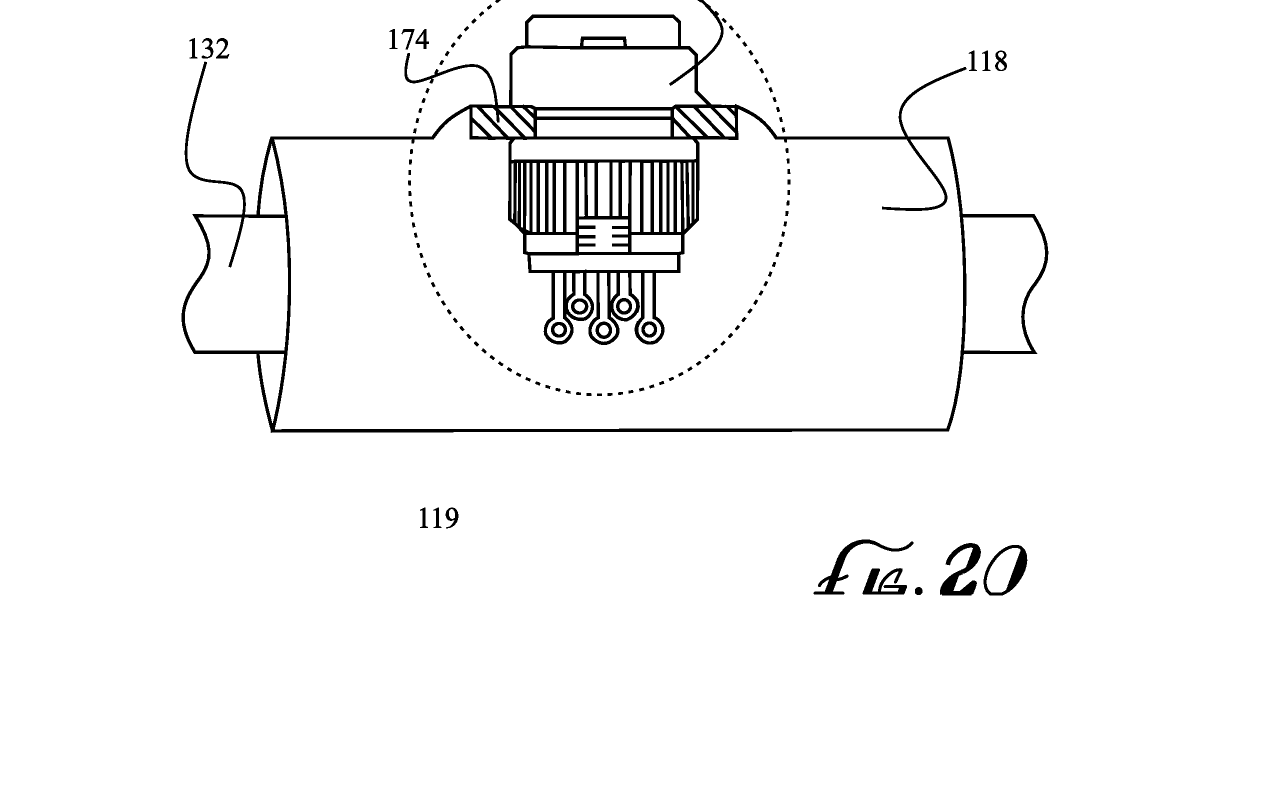
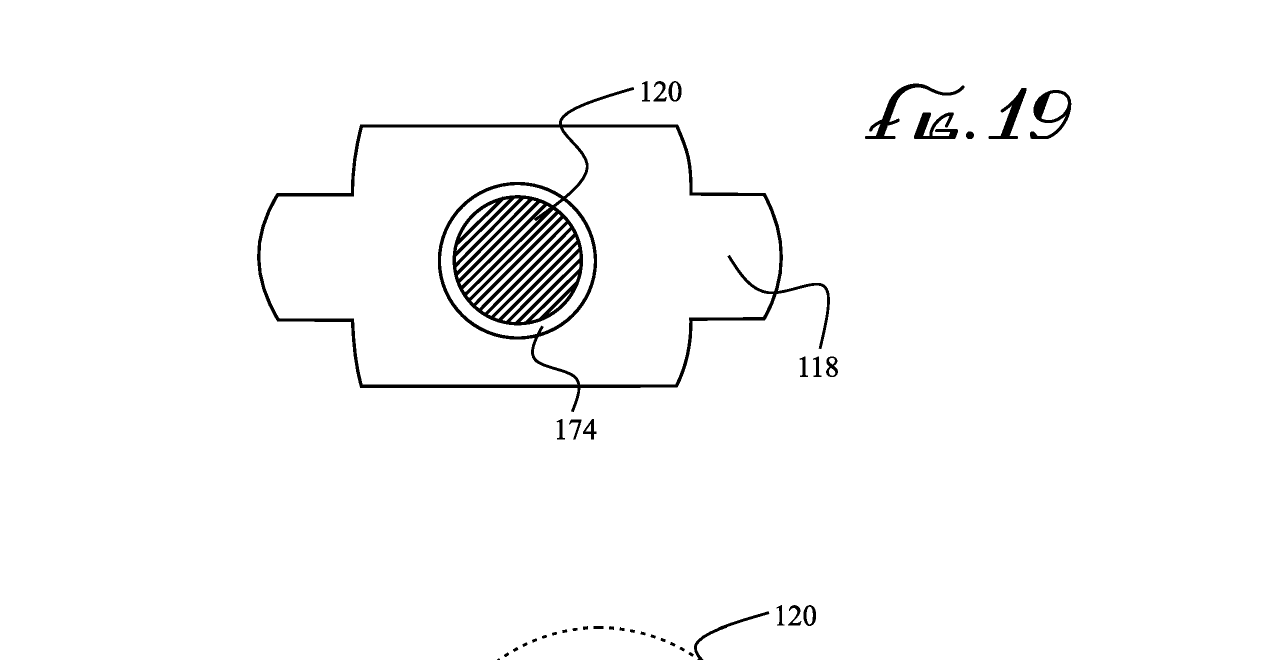
Lion Cables put a toggle on the cable itself. In protected mode the data lines are physically disconnected - not filtered, not managed by software, simply not connected. The power path stays connected - only the data lines are cut - so there is no data path for anything to travel over. Charge-rate and connector behavior for each source type will be published with the launch specifications.
- 03
The status light removes the guesswork
An illuminated indicator on the cable shows its mode in real time: protected (charge-only) or data-enabled. Security you can confirm with a glance, before you plug in - no app, no settings menu, no trusting a sticker.
- 04
Flip it back when you want data
Unlike charge-only cables or blocker dongles, the same Lion Cable syncs files, connects CarPlay or Android Auto, and moves photos when you choose to allow it. One cable covers both jobs - protection in public, full function at home.
Protected mode
Data lines physically disconnected. The power path stays connected - airport kiosks, hotel lamps, rental cars, borrowed chargers - while your photos, messages, and credentials stay unreachable.
Data mode
You flipped the switch on purpose: sync, transfer files, connect to your car. The illuminated indicator makes the mode unmistakable - one glance tells you whether data is live.
Designed for the ports you actually use
The patented switching design isn't tied to one connector: the same physical-disconnect principle applies whether a cable ends in USB-A, USB-C, Lightning, or micro-USB. Details on connector coverage will be published with launch specifications. USB types, explained
The mechanisms above are covered by US 11,121,568 B2, US 11,251,634 B2, US 11,631,984 B2. Explore the portfolio
Common questions
- Does charge-only mode slow down my charging?
- We haven't published charge-rate numbers yet. Measured, per-connector charging behavior will be published with the launch specifications - we'd rather show tested data than promise "full speed." What is already public: peer-reviewed 2025 research criticizes generic data blockers for degrading charge speed by interfering with power negotiation. Publishing measured numbers, not promises, is how we intend to answer it.
- Will CarPlay or Android Auto still work - say, in a rental car?
- That's the design intent: in data mode the cable is designed to function as a standard USB data cable - the mechanism the patents describe - unlike charge-only cables, which can never carry CarPlay or Android Auto. Wired CarPlay and Android Auto compatibility will be confirmed in the published launch specifications.
- Which phones and connectors will it work with?
- Connector coverage will be published with the launch specifications. The design principle isn't tied to one plug shape: the patent documents describe the switch mechanism for USB-A, USB-B, USB-C, mini-USB, micro-USB, and USB 3 cables. Which connector combinations ship first is a launch decision we'll publish rather than pre-announce.
Why software prompts aren't enough: ChoiceJacking, explained
Get notified when cables ship.
Cables are in final development. Join the waitlist to be notified at launch, or talk to the inventors about licensing, co-development, and volume programs.
One email when cables launch. Nothing else, no spam.
or email hello@lioncables.com directly